
Blog
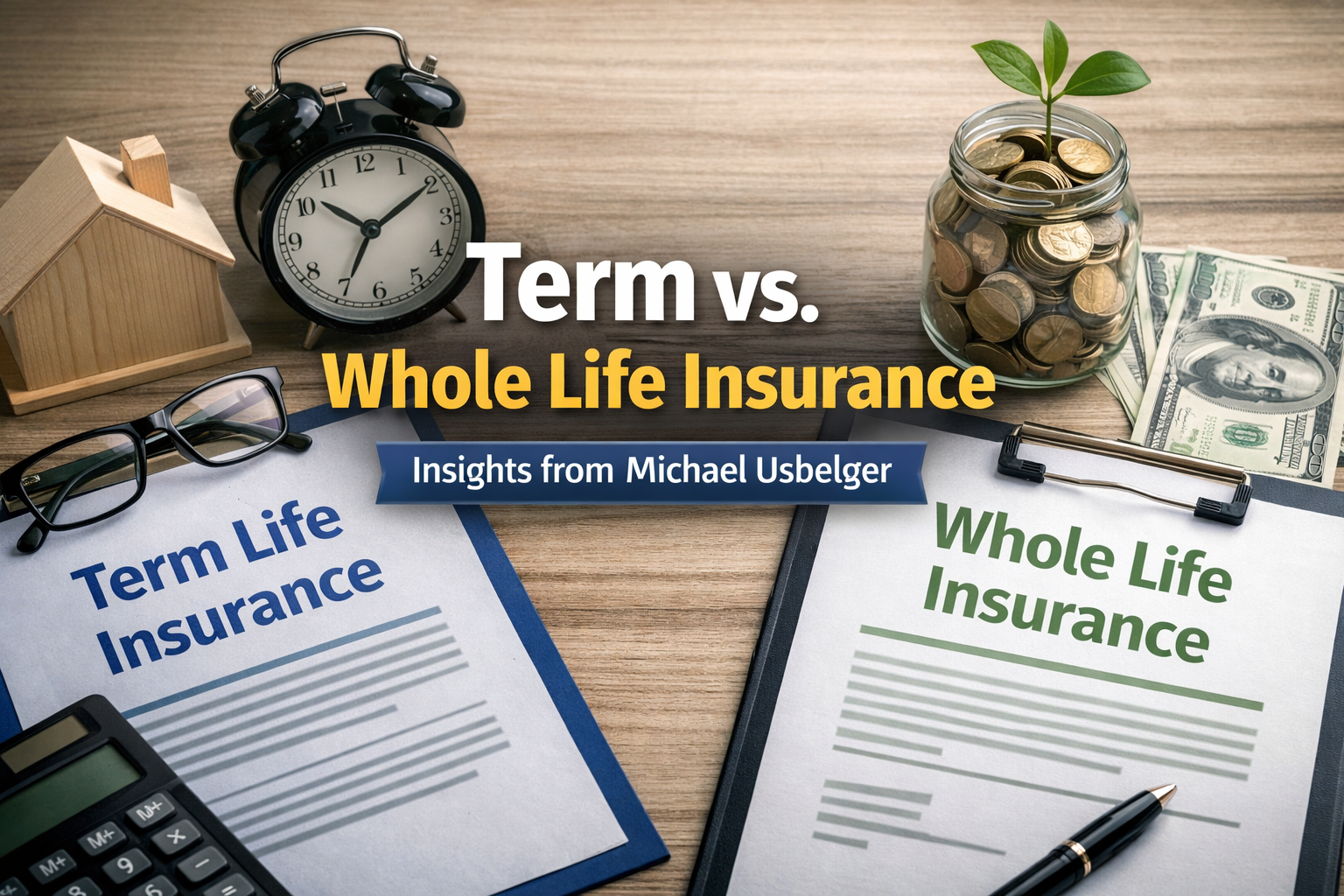
Term vs. Whole Life Insurance: What’s the Real Difference? | Insights from Michael Usbelger
Term vs. Whole Life Insurance: What’s the Real Difference?
When it comes to choosing life insurance, one of the most common questions people ask is whether term or whole life insurance is the better option. While both provide financial protection, they are built for very different purposes. Understanding how each works—and when each makes sense—can help you make a more confident decision. At Infinity Insurance Group, Michael Usbelger works closely with clients to break down these options in a clear, practical way, helping them choose coverage that aligns with their real-life goals rather than just generic recommendations.
What Is Term Life Insurance?
Term life insurance provides coverage for a set period of time—typically 10, 20, or 30 years—and is designed to protect you during the years when financial responsibilities tend to be the highest. This often includes things like paying off a mortgage, raising children, or replacing lost income if something unexpected were to happen. Because term policies focus strictly on protection and do not include a savings component, they are generally the most affordable way to secure a large amount of coverage. Michael Usbelger often recommends term life insurance for individuals and families who want strong financial protection during key stages of life without taking on a high monthly cost.
What Is Whole (or Permanent) Life Insurance?
Whole life insurance, also known as permanent life insurance, is designed to last your entire lifetime as long as premiums are maintained. In addition to providing a death benefit, these policies can build cash value over time, which can be accessed or borrowed against depending on the policy structure. This makes whole life insurance not just a protection tool, but also a long-term financial asset in certain situations. Michael Usbelger helps clients understand when permanent coverage may make sense, especially for those looking to plan for final expenses, create long-term financial stability, or leave something behind for loved ones.
Which One Is Right for You?
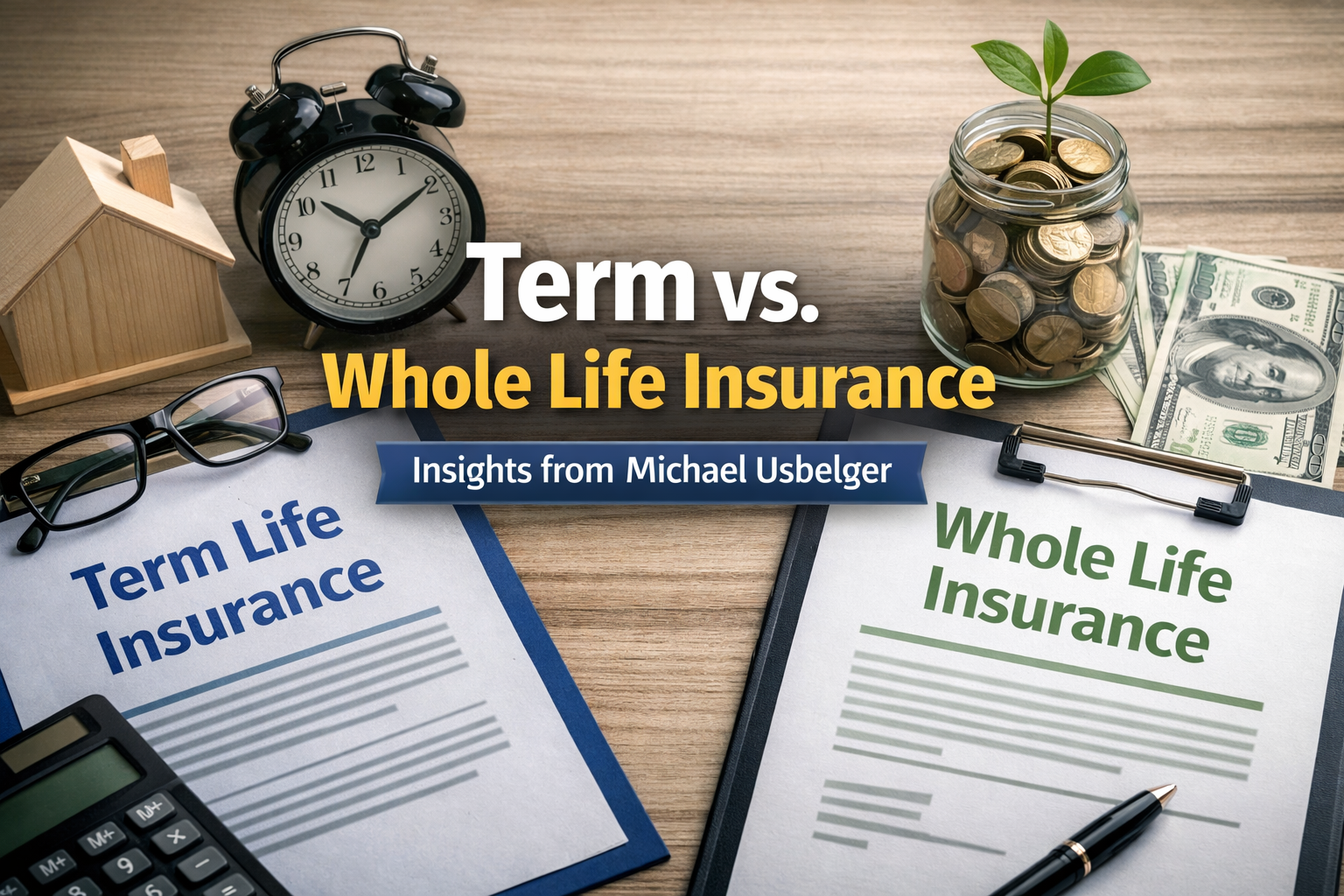
There isn’t a universal answer when it comes to choosing between term and whole life insurance. The right option depends on your financial goals, your current responsibilities, and how you want your coverage to function over time. Some individuals benefit from a simple, cost-effective term policy, while others may want the added features of permanent coverage. In many cases, a combination of both can even be appropriate. Michael Usbelger works one-on-one with clients to evaluate these factors and build a plan that fits their specific situation—not just a one-size-fits-all solution.
At the end of the day, my goal isn't just to sell a policy; it's to ensure that if the unthinkable happens, the only thing your family has to worry about is healing—not where they are going to sleep at night. We don't just protect mortgages; we protect the place where your life's best memories are built.
 Michael Usbelger, Infinity Life Solutions
Life insurance is not just about having coverage—it’s about having the right coverage for your life. Taking the time to understand your options and working with someone who can guide you through the process can make all the difference in creating a plan that truly protects your future.
PUBLISHED ON
Company
1-866-217-1201
603-974-0800